Hi, I’m Moses.
Product manager trained in philosophy. I build AI products for African businesses, teach product management, and ask a lot of questions.

From philosophy to product.
I studied philosophy at the University of Ibadan. Not the most obvious path to product management, but it gave me something I use every day: a rigorous way of asking better questions.
Today I lead Termii Engage, an AI-powered customer engagement platform built from 0 to MVP in 5 months, and Ayla, Termii’s AI Engine. I build for Africa’s reality: WhatsApp first, SMS everywhere, deep local context.
Outside work I teach, make videos, host a podcast, play a lot of games and watch a lot of anime. The context changes. The curiosity doesn’t.
“Moses’s ability to dive deep, ask insightful questions, and develop products that deliver real user value is remarkable.”
Pick a door.
Work
Products I’ve built across CPaaS, fintech and SaaS, with case studies, numbers and writing.
Explore my workWebsites
Custom websites and booking dashboards for local service businesses.
See packagesConsulting
Fractional PM, PRDs, AI product strategy and product audits for early-stage founders.
See servicesTeaching
Courses at AltSchool Africa, talks and workshops.
See teachingPhilosophy
Articles, notes and papers in progress on how we think, build and live.
Read moreWhen I’m not building.
Games sharpen systems thinking and UX intuition. Two things that make better products.
Why games matterFrom attack titans to demon slayers. The storytelling hits different.
My watchlist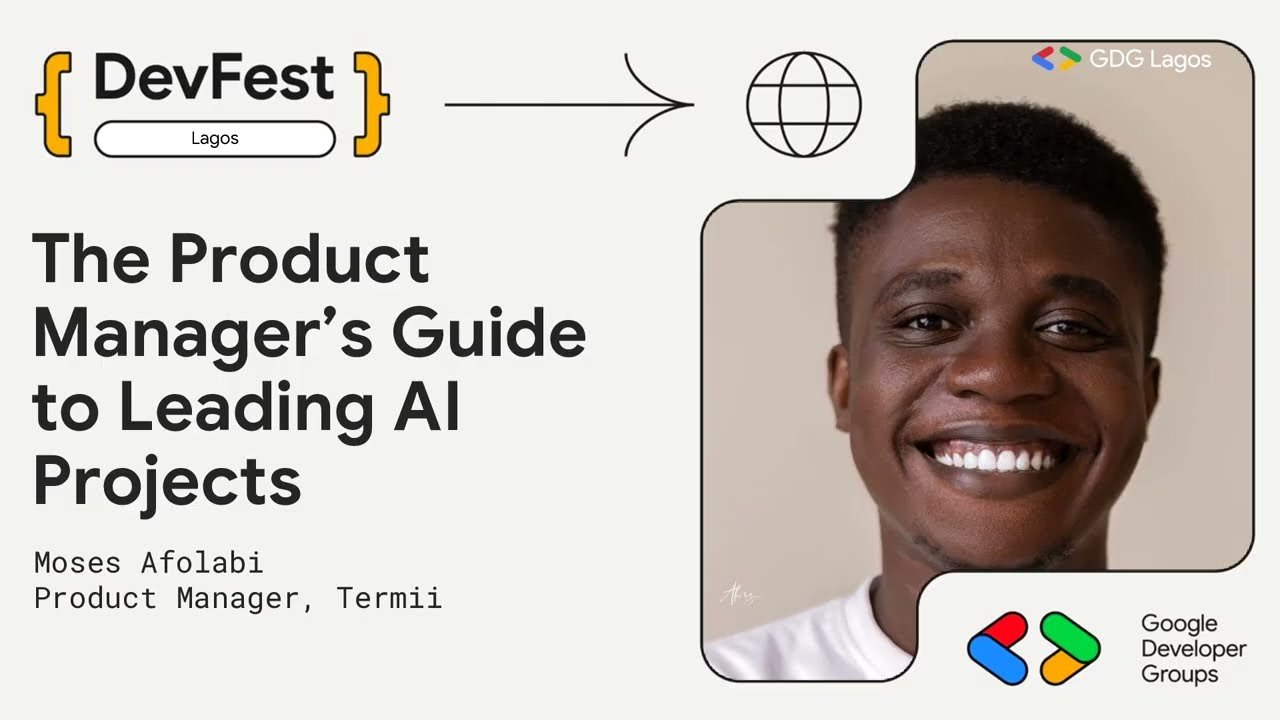
Product management insights, career advice and the African tech ecosystem.
Watch
My podcast on product careers, tech and building in Africa.
Listen